
Institutional Practice
-
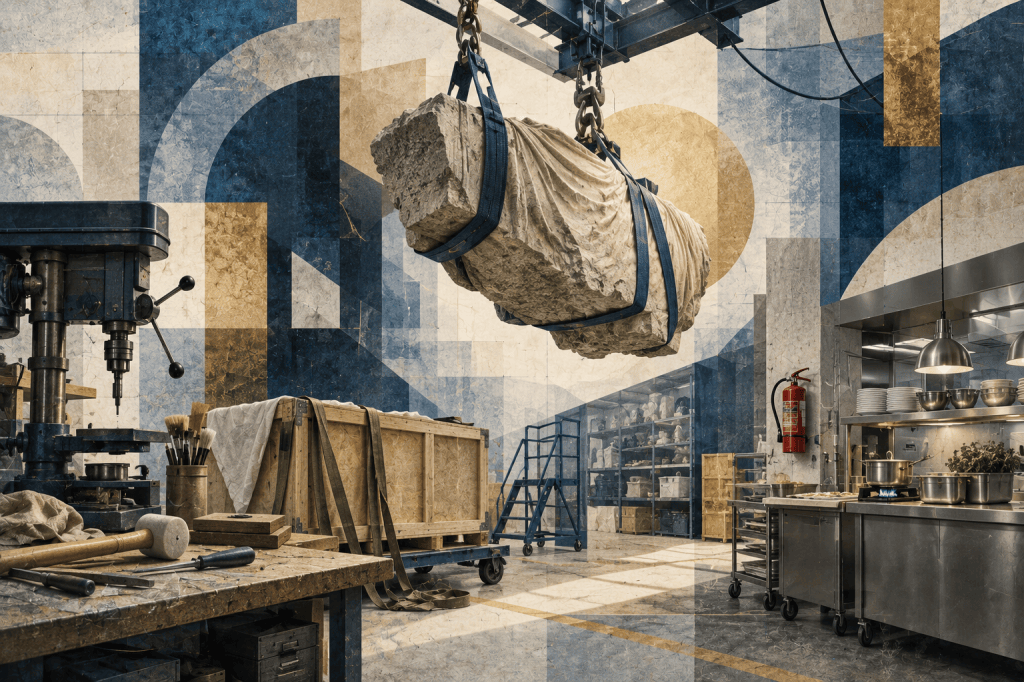
Behind the Exhibits: Why Every Museum Needs a Safety Manual
Museum hazards are not always visible. A useful Safety Manual helps staff and volunteers recognize risks,…
-
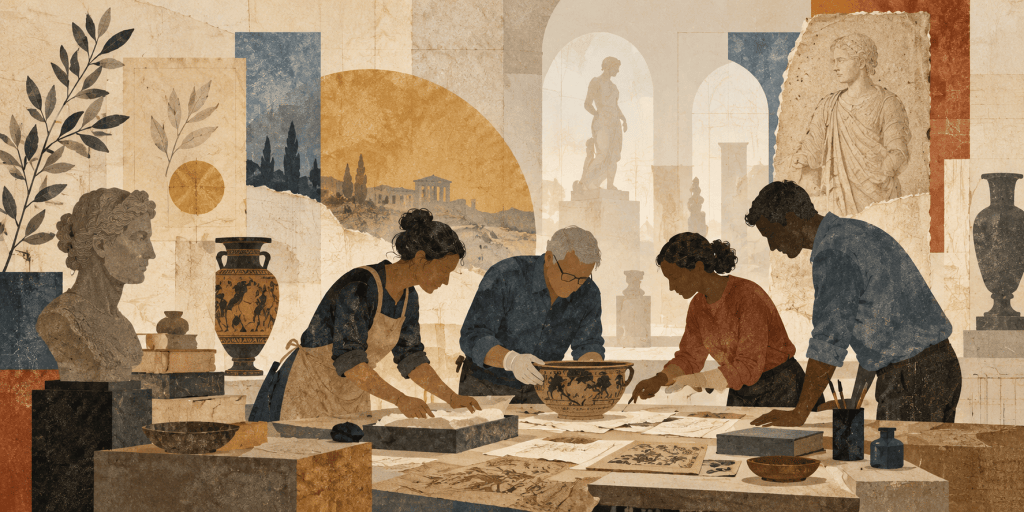
Volunteers Are Not Free Labor: How Museums Can Build Programs That Serve Both People and Purpose
Volunteers strengthen museums when placements fit real needs and staff have the time to train, collaborate,…
-
The Cost of Saying Yes: Why Museums Need Clear Usage Agreements
Informal permission can commit museum assets, staff time, and collection access for years. Clear usage agreements…
-
When Documentation Does the Heavy Lifting of Succession Planning
Succession planning is often treated as a separate organizational exercise: identify key positions, name possible successors,…
-

The Cost of Surrounding Ourselves With People Who Think Like Us
Organizations often seek agreement without recognizing what it can cost. Strong leadership creates room for different…
-
What AI Misses Between Policy and Practice
AI can analyze an institution’s documents, but it cannot independently discover the gap between written policy…
-
Not Every Museum Group Is a Committee
Museums are highly collaborative organizations. Exhibits, programs, special projects, and institutional initiatives often require input from…
-
One Institution, One Voice: Why Style Guides Matter Even More in the Age of AI
When I first began writing museum publications, I did not fully understand the value of a…
-
Good Organizations Do Not Run on Memory: How Written Guidance Turns Experience into Shared Practice
Long before developing formal documentation became a major part of my work, I was already doing…
-
Does Your Museum or Nonprofit Have an AI Policy Yet?
Has your museum, archive, library, historical society, or nonprofit developed an artificial intelligence policy?

